icon
News Community Store
Back to home

Daily Mobile Gaming News

A cleaner daily brief on mobile game launches, updates, and pre-registration moves worth watching.

Rainbow Six Mobile to end service on January 15, 2027
News Mon, Oct 12, 2026

Rainbow Six Mobile to end service on January 15, 2027

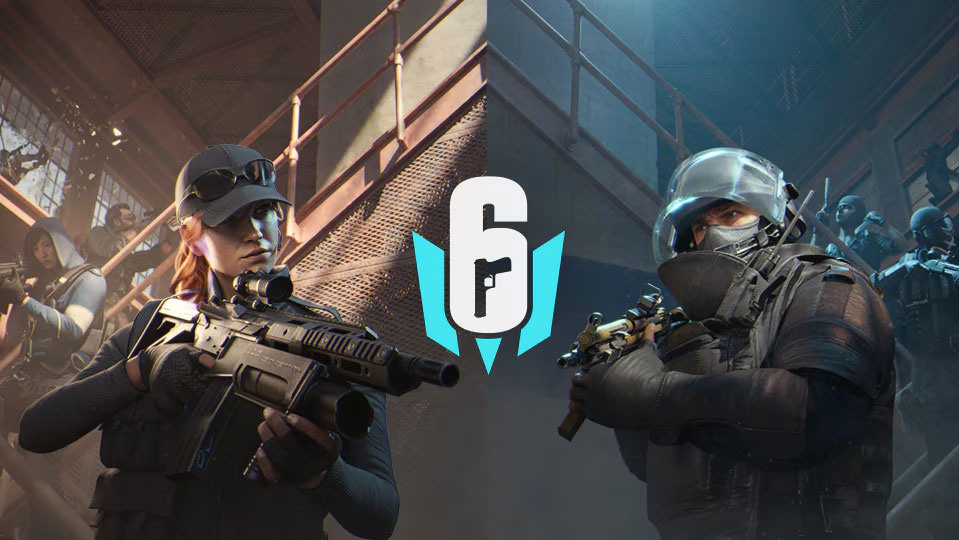
Ubisoft announced that Rainbow Six Mobile will officially cease operations on January 15, 2027. The free-to-play tactical first-person shooter for mobile was developed by Ubisoft Montreal and brings a 5v5 attack-vs-defend Rainbow Six Siege-style match structure to phones. The game’s core loop matched Siege’s close-quarters tactics: attackers could deploy recon drones and breach destructible walls, floors and ceilings, while defenders used barricades, spy cameras and traps to fortify sites. Matches swapped attack and defense each round; Ubisoft described the project as a mobile attempt to deliver an orthodox Siege experience, with fast-paced rounds and team-focused strategy. Ubisoft noted Rainbow Six Mobile began a Soft Launch in 2023 and ran 15 seasons during its live service. The studio thanked the global player community for memes, videos, tactics guides, community tournaments and standout plays that shaped the game. Ubisoft also confirmed the next season will still release next week as originally scheduled, and that the Montreal team will transition to other long-term strategic projects with more updates to come in the following weeks. A practical note for players: the service will remain live until January 15, 2027, so account access, seasons and any in-game progression will continue until that date. Ubisoft promised further details on the transition in the coming weeks. For now, the clearest takeaway is logistical — you have a defined window to play, share highlights, and close out any plans tied to Rainbow Six Mobile before servers go dark on January 15, 2027.

Polaria: Ocean Friends runs One Store CBT Oct 12–25
News Mon, Oct 12, 2026

Polaria: Ocean Friends runs One Store CBT Oct 12–25

Polaria: Ocean Friends, distributed by SuperJoy and developed by Minyamo Games, will hold a closed beta test on One Store’s Beta Game Zone from October 12 to 25. The CBT is available through the One Store Beta Game Zone and runs only during that window. Participants can play the game directly in the Beta Game Zone; SuperJoy says 100 users who complete the CBT survey will be chosen to receive 10,000 One Store points each, with full participation details posted in the Beta Game Zone. The test’s stated purpose is to verify the mobile play experience and gather user feedback. SuperJoy commented that they reorganized the game for simpler mobile play while preserving the original atmosphere and will use CBT feedback to improve the title ahead of launch. Polaria: Ocean Friends is an Android casual merge-and-idle game set in the Antarctic seas where players merge fish to grow them and progress through idle systems. The mobile build adapts the Steam and STOVE original Polaria’s Antarctic theme and calming, healing tone but refocuses the design on fish-merging and idle mechanics for simpler, on-the-go sessions. The game world and many marine-character IPs come from Glocal the BON CEO Han Dong-won’s real Antarctic experience and the Nambing-i Friends IP. If you want to try the mobile rewrite of Polaria, the CBT is the only public chance to play on Android via One Store during October 12–25, and the 10,000P drawing gives a clear, concrete incentive to finish the survey.

Seal M2 launches October 22; pre-registration events run until launch
News Mon, Oct 12, 2026

Seal M2 launches October 22; pre-registration events run until launch

Seal M2 from Playwith Korea will launch on October 22, with the exact open time to be posted later on the game's official notice channel. The developer says pre-launch events continue through the release window, and the team will announce finer scheduling details on the official notice board. Pre-registration activities already hit their top milestone: the cumulative pre-reg total reached 1,000,000 sign-ups, unlocking all tiered rewards. That includes the appearance Opart “Inheritance Gigantes,” which raises character stats, plus the other planned payout items tied to the milestone. Several invite-driven promotions are active. The friend-invite event hands out costumes and Opart summon tickets depending on how many people you recruit through a personal invite link, while the friend-invite leaderboard will reward the top 1–10 inviters with up to 1,000 summon tickets at the end of pre-registration. Forum participation is rewarded, too: joining the official forum and logging into the game with the same account after launch grants 10 Pet Cubes, and verification campaigns asking players to post screenshots of pre-reg completion or invite-link issuance are live on the boards. The official forum also runs community events you can enter before launch: vote for your preferred class in “My Job Is…,” explain your pick, or post Seal IP memories and expectations for Seal M2 to earn in-game currency (Segel) and weapon/armor enhancement stones. Additional universal coupon rewards for costumes and Opart summon tickets will be published after launch based on cumulative participation. Full event rules and timing are available on the Seal M2 official community page.

Devsisters teams with Big Shot Pictures for Cookie Run film targeting 2029 release
News Mon, Oct 12, 2026

Devsisters teams with Big Shot Pictures for Cookie Run film targeting 2029 release

Devsisters announced on the 12th that it has partnered with Hollywood studio Big Shot Pictures to produce a feature-length Cookie Run animated film, aiming for a global theatrical release in 2029 — the 20th anniversary of the IP. Big Shot will lead overall production while Devsisters will participate in designing the film’s core creative direction. Devsisters shared scale and reach figures for Cookie Run alongside the partnership news: the IP has accumulated more than 300 million users across 248 countries. The company also said North America was the largest market by integrated IP revenue as of 2025, and that non-game IP businesses such as trading card games and character merchandise are growing primarily in the United States. YouTube’s popularity trends list for the U.S. included Cookie Run: Kingdom among its top 10, and Devsisters noted ongoing expansion of the brand beyond mobile titles. Big Shot Pictures is the production lead. The studio was founded by Brian Robbins, who previously served as co-CEO of Paramount and held leadership roles at Paramount Pictures and Nickelodeon. Big Shot has a first-look distribution deal with Sony Pictures Entertainment and has received strategic investments from Sony Pictures, Greycroft, MarcyPen Capital Partners, ValueAct Capital, and CAA. Current and announced Big Shot projects include work on the family franchise Eloise and acquiring a stake in Alvin and the Chipmunks: The Squeakquel-related assets set to release in 2028, plus an animated series with U.S. streamer IShowSpeed. Devsisters traced Cookie Run’s origins and product roadmap in the announcement. The IP began with the 2009 mobile runner OvenBreak and expanded through Cookie Run for Kakao in 2013. The franchise later grew into titles including Cookie Run: OvenBreak, Cookie Run: Kingdom, Cookie Run: Witch’s Castle, and Cookie Run: Tower of Adventure, covering running action, RPG, puzzle-adventure, and cooperative action. In 2026 the company released two new entries: the PvP-focused real-time battle action Cookie Run: OvenSmash and the idle RPG Cookie Run: Crumble. Devsisters also emphasized work on new projects such as open-world and AR experiences tied to the Cookie Run universe. “Starting from mobile games and expanding across multiple areas, Cookie Run will offer a different IP experience on the cinematic screen,” Devsisters CEO Jo Gil-hyun said. Big Shot CEO Brian Robbins added that bringing Cookie Run to theaters lets the property reach existing fans and introduce new global audiences. The partnership pairs Big Shot’s production and Sony-linked distribution ties with Devsisters’ ownership of the IP and role in shaping the film’s creative direction — a concrete set of responsibilities to watch as the project develops toward 2029.

thatgamecompany turns 20: Chen Xinghan on two decades of Sky, Journey and emotional play
News Sun, Oct 11, 2026

thatgamecompany turns 20: Chen Xinghan on two decades of Sky, Journey and emotional play

thatgamecompany marks its 20th anniversary and CEO/creative director Chen Xinghan sat down with Bahamut GNN for a long-form interview published on October 11, 2026, tracing the studio’s arc from early experimental pieces to Sky: Children of the Light, now a seven-year live service with more than 300 million registered players worldwide. Chen names a single, steady goal that guided the studio from flOw to Flower to Journey and now Sky: to make games that connect people and invite them to stop and feel. The conversation covers design choices, the pain of moving from contained single-player arcs to never-ending seasons, cross-media collaborations like The Little Prince and the Van Gogh season, and where the studio plans to invest its experience next. Chen opens by returning to the same question that shaped the studio’s first projects: why do games so often limit emotions to tension, conquest and victory? He points to a mismatch between other art forms and mainstream game affordances — films that make you cry, music that calms, literature that helps you see yourself — versus many games whose emotional palette skews toward adrenaline and win/lose feedback. Chen says that from flOw onward the team has pursued a different emotional register: moments of healing, tenderness and shared presence. He adds a practical corollary: you can’t ask someone who doesn’t believe in this kind of emotional work to make players cry; the studio has always hired people who still believe these experiences are possible. On accessibility and audience, Chen rejects the simple story that the team merely lowered barriers to reach non-gamers. Instead, he points at a different variable: emotional language. Many games lean on immediate feedback loops — danger, score, trophies — while Chen and his designers built systems where the most meaningful satisfaction required time and another person. Sky’s social mechanics are built so that the deepest rewards come from other players, not the UI. Newcomers last longer when a stranger takes their hand; some of Sky’s three hundred million registered users were people who before never played games, and Chen says the game gave many of them an emotional experience they already wanted rather than teaching them to “be better” at play. Scaling up from a small, indie studio producing closed narrative arcs to a live game that updates weekly and seasons annually brought a new set of problems Chen describes bluntly as “scale.” Where single-player titles arrive, run their narrative arc and reach a clear ending, Sky runs every day. That lack of a defined endpoint forced the team to relearn how to design emotional arcs that can live inside persistent operations. Daily tasks, Chen explains, must not feel like work. If day-to-day mechanics become pure checklists, player motivation shifts from visiting friends to ticking boxes — and the emotion dies. So the team treats each season more like a short film than a content patch: every season needs an emotional beginning and ending and at least one memorable moment beyond cosmetic rewards. Internally they ask, “After this season ends, what will remain in the player’s heart?” If the answer is only ‘I got an outfit,’ the season is not finished. The studio’s collaborations provide concrete examples of how Sky tries to do things other media cannot. For the “To Van Gogh” season the team flew to the Van Gogh Museum in Amsterdam, studied the physical light, scale and letters between Vincent and his brother Theo, and chose to focus not on the trope of the isolated genius but on the network of care that sustained him. Chen says the season places players inside Van Gogh’s light, color and emotional brushstrokes while they experience those works together with others — an idea he calls “shared presence.” He contrasts that presence with the museum spectator stance: rather than standing outside a painting, players move through its textures with companions. Past crossovers — The Little Prince and an Aurora virtual concert — were selected because the source creators carried “a voice that is still warm,” to borrow Chen’s phrase: works about care, vulnerability and persistence rather than spectacle alone. Nonverbal interaction is a deliberate design choice backed by social psychology, Chen explains. The team experimented with typed chat early on and found it made harm inexpensive and frequent: a two-second aggressive message can wound immediately. In Sky, kindness has a higher activation cost — you spend time holding someone’s hand, lighting their candle, guiding them — and that investment changes behavior. The game purposely makes certain actions impossible to complete alone: holding hands to fly farther, relying on others to keep your light burning. Those constraints do not exist to raise difficulty but to create genuine need between players. Chen frames many of Sky’s social mechanics as ways to encourage “we did this together” memories rather than counting words exchanged; shared physical action anchors trust more reliably than information exchange, he says, and that’s why many emergent community traditions — like helping newcomers or rituals born from technical quirks — have taken root. The team even kept some player-discovered behaviors, such as a slope-clipping exploit nicknamed “ground-walking,” after seeing how communities turned a small bug into a novel form of exploration. The interview also touches on the human responses the studio has received over two decades. Chen describes folded notes and letters handed to the team at events and emails from players who say the games helped them through painful periods in life. He emphasizes that the team never tries to instruct players to behave a certain moral way; instead, they build an environment where showing vulnerability feels safe and where the mechanics make helping someone else the easiest, most natural action. Looking back, Chen reflects on the loneliness of the studio’s early years and on what he would tell his 2006 self: the solitude of those first efforts was larger than necessary. The studio intends to turn twenty years of accumulated experience and resources outward, providing funding, mentorship and practical support to independent creators exploring emotional interaction — the kind of support Chen says his own younger team would have valued. He confirms that new projects are in development: not merely more titles, but work that builds on the studio’s creative language while moving into unfamiliar creative territory. Takeaway: thatgamecompany’s next phase pairs its seven-year live world and 300 million-plus registered players with a deliberate stewardship approach — seasons crafted like short films, nonverbal systems that raise the social cost of meanness, collaborations rooted in first-hand research such as the Amsterdam Van Gogh visit, and a pledge to support other creators — all intended to preserve and extend the studio’s particular emotional design across new projects and a broader creative community.


Magnet Agent wins Bronze at Bahamut ACG26 (2026)
News Sat, Oct 10, 2026

Magnet Agent wins Bronze at Bahamut ACG26 (2026)

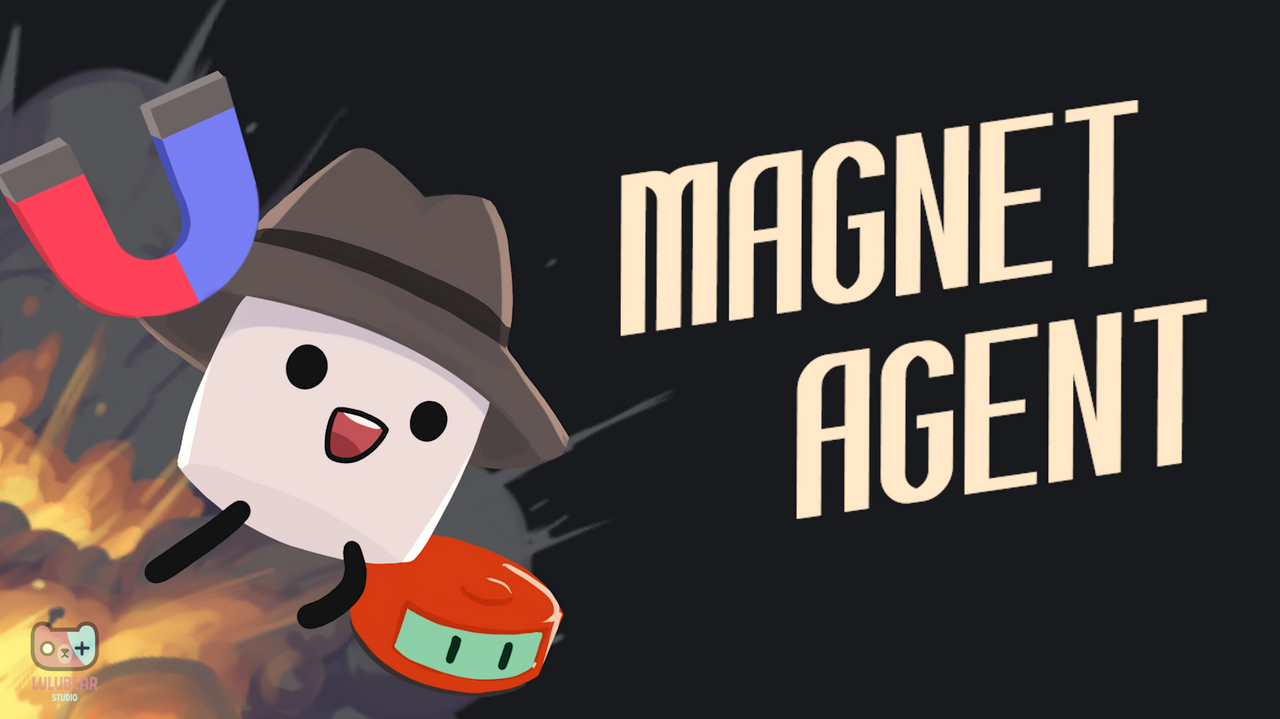
Magnet Agent (磁力特務) took the Bronze prize in the Bahamut 2026 ACG creative contest’s Game category, and the winning team, Lulu Bear Studio, told GNN about the project’s three-year arc from an ignored Game Jam upload to an award-winning entry. The interview covers the game’s magnet-based puzzle design, the four-person development team, their Game Jam origins, technical and localization hurdles, and concrete release plans centered on Steam. Magnet Agent is a puzzle-adventure built around magnetism. Players don’t control the protagonist directly; instead the core loop asks you to place magnets and tools on the map so magnetized characters interact with those objects, avoiding hazards and solving levels. The player-steered parts are the environmental placements, which encourage multiple valid solutions rather than a single intended route. The game layers an agent/spy theme and meme-infused chapter settings: Chapter One riffs on “getting lost in IKEA” with a Brainrot shark gag, Chapter Two borrows a stealth-feel for an infiltration banquet, and Chapter Three moves through a cyberpunk city with Hong Kong action-movie beats. Lulu Bear Studio is a four-member indie: Bridge leads overall design, Lulu Bear handles art, Tina programs and manages Japanese translation, and Henry — based in the US — runs marketing and community. The team’s origin story reads like a lucky string of meetings: Bridge and Lulu Bear met in a game design class despite not studying game design, Tina joined at a Game Jam, and Henry is an American friend Bridge met during graduate school in the UK. Their early prototype came from Winter 2024 Melon Game Jam, where the jam theme “Polarity” pushed them to use attraction and repulsion as the primary mechanic. That jam build later sparked interest from players abroad, which convinced the team to expand the prototype into a fuller project. The game’s signature “high freedom” puzzle design was partly accidental. Facing a deadline during the Game Jam, the team left only a start and end point and filled the rest of the map with placement tiles; players reacted positively and even shared alternate solutions online. That open-ended reception helped define Magnet Agent’s design philosophy: instead of funneling players toward one solution, levels invite creative or even chaotic approaches to reach the goal. For aesthetics, Lulu Bear cites Pikuniku as a stylistic influence — the simple, lively cartoon look suited their aim of readable, playful visuals that orbit gameplay rather than overpower it. Development has had concrete milestones and real constraints. The prototype was first uploaded to iOS after the Game Jam but received little attention without marketing, which discouraged the team. Bridge later brought the game to a museum event while studying abroad and watched children play for extended periods; that on-the-ground validation renewed their confidence. The team officially moved from jam prototype to full production in May 2025, and as of the interview they estimate about half the game’s content is complete. They’ve already submitted the latest playable to platform review; if the demo doesn’t appear immediately they plan to distribute new builds through Playtest instead. Technical and creative trade-offs are part of the daily grind. Tina says modern AI tools speed up some programming tasks, but the team still relies on repeated face-to-face playtests to shape the final experience. Localization is another concrete challenge: the game leans on jokes and wordplay — names like “磁吸太后” (roughly “Magnet Empress”) don’t map cleanly into English and need careful rewriting to retain the humor. Lulu Bear notes that the pared-down art style forces tighter iconography and color use, which demands extra discipline to keep visuals expressive while leaving room for gameplay clarity. Henry’s US-based role mainly introduces time-zone coordination and bilingual messaging needs for community posts. The team’s previous contest attempt in 2023 factors into their tone. Lulu Bear Studio entered the Bahamut ACG once before with an earlier project and was shortlisted for a vote stage but didn’t win, so this second ACG26 run came with a bit of “revenge.” The 2023 experience drove concrete changes: the team emphasized completion quality, cleaned up onboarding, UX and UI, and scheduled earlier playtests. Judges at this year’s contest praised Magnet Agent’s high level of polish while suggesting the team expand level count and deepen level settings — feedback the studio has already folded into its production roadmap. Release plans are Steam-first. The team aims for an early-2027 storefront window and is tentatively targeting March–April 2027 for the full release; they say they’ll avoid the Steam Spring Sale and may enter February’s new-release festival instead. The final version will exceed the current demo by more than double: two to three additional chapters, a customizable cosmetics system that uses resources collected in-game, and a level editor with Steam Workshop support so players can create and share their own stages. Cross-platform ports to iOS and Android are under consideration, but only after the Steam build is live and the control experience is fully optimized for mobile. Magnet Agent will also have a public-facing presence at events. The team confirmed their attendance at G-EIGHT 2026 indie showcase, where attendees can try the game at the Flower Expo venue. Meanwhile they plan staged content drops via Playtest and demo releases on community channels while the store demo waits on review. The team asked players who want to follow development or help shape it to wishlist the Steam page and to share suggestions through the game’s social channels. Takeaway: Magnet Agent is moving from a Winter 2024 Game Jam seed to a Steam-focused release pipeline after a May 2025 production push, with the full game slated for about March–April 2027 and plans for two–three new chapters, a cosmetics system, a Steam Workshop-enabled level editor, and possible later ports to iOS and Android. If you prefer hands-on judgment over headlines, the team will be demoing at G-EIGHT 2026 and rolling Playtests while the Steam demo clears review — so there will be chances to try the magnet puzzles in person before launch.

Crazy Taxi: World Tour adds Brazil map at Brasil Game Show 2026
News Sat, Oct 10, 2026

Crazy Taxi: World Tour adds Brazil map at Brasil Game Show 2026

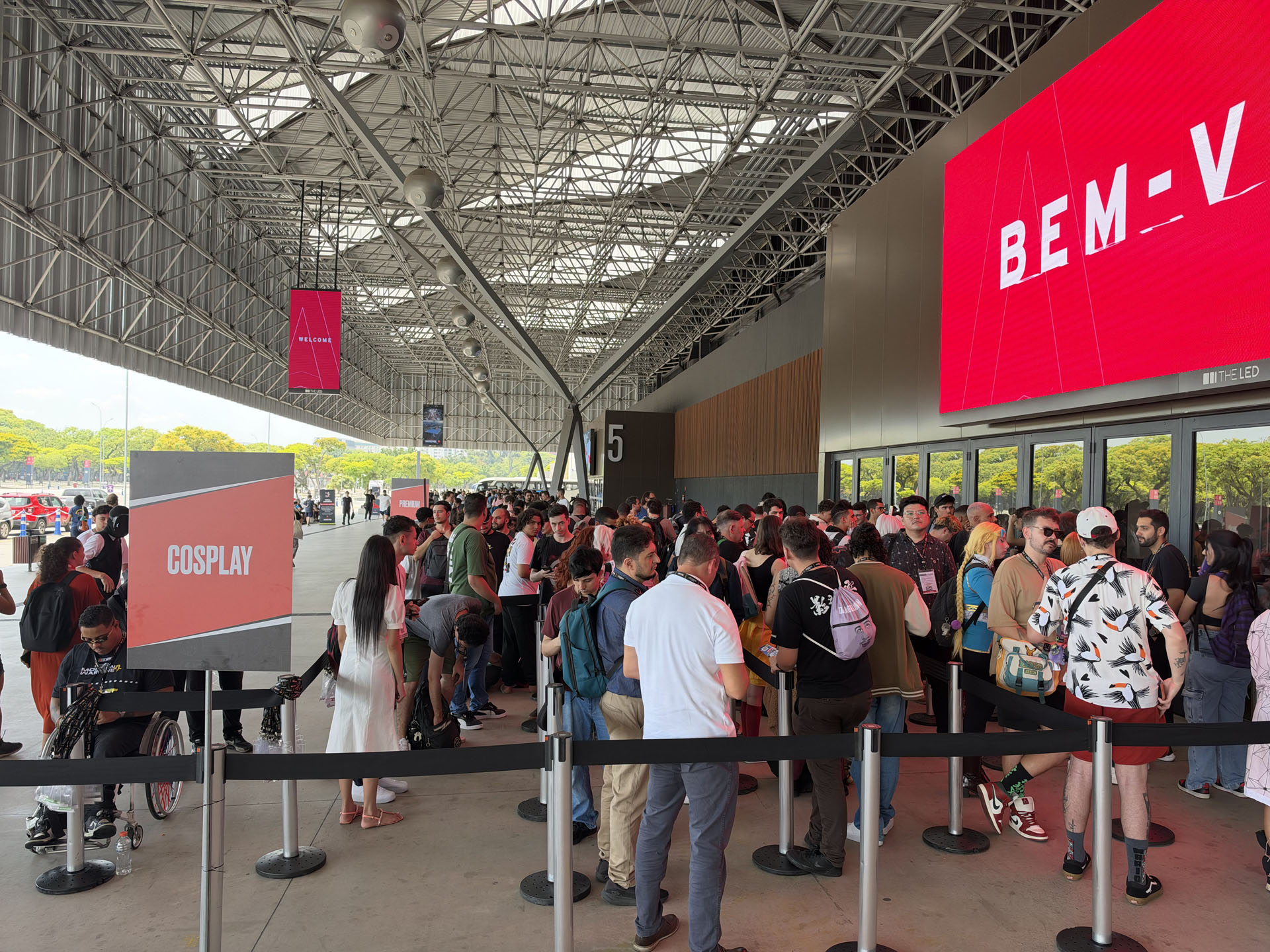
Brasil Game Show 2026 opened its doors with a morning BGS Conference at Arena Monster, and SEGA used the stage to world‑premiere a new Brazil map for Crazy Taxi: World Tour’s story mode. The reveal came during an roughly 80‑minute conference that ran before the show floor opened, with creator Kenji Kanno onstage to introduce the footage and describe the team’s approach to the new stage. The conference lineup mixed game announcements with hardware and service reveals. SEGA showed a guided video tour of Brazil’s level — city streets, coastline, coffee culture, beaches and lively nightlife — presented as the fourth country in Crazy Taxi: World Tour’s story mode; the game’s story mode is new to the title alongside the multiplayer mode that recently ran a closed beta. Kanno, who worked on the original 1999 Crazy Taxi and later entries, said the Brazil stage was crafted with players in mind and that both long‑time fans and newcomers should enjoy it. SEGA also set up a booth on the show floor where attendees could play part of the game. Square Enix opened the conference with a video message from Final Fantasy VII Remake producer Yoshinori Kitase, who thanked Brazilian fans for their support and explained he could not attend in person because the title is still in development. Kitase announced that a public playable demo of Final Fantasy VII REVELATION would be available in South America for the first time at BGS, and that the demo supports Brazilian Portuguese. SEGA returned later in the program with a segment for Alien: Isolation 2; Creative Director Al Hope and environment artist Archie Whitehead presented a new trailer and noted a prologue build of the sequel was playable at the SEGA booth. Several international publishers and developers also presented. NetEase Games’ Sea of Remnants was shown via trailer, with the hosts describing it as a naval survival title and noting a partnership with payment service Smile.One; both companies share a booth on the show floor. Devolver Digital sent Graciele Dias, UX/UI artist on Warhammer 40,000: Boltgun 2, and the game’s playable demo was available at the Devolver booth ahead of the October 14 release. Activision returned to BGS for the first time in seven years: attendees could try Call of Duty: Modern Warfare 4 on PC at the Monster Energy booth and on Nintendo Switch 2 at Nintendo’s booth, and the publisher confirmed Modern Warfare 4 launches on October 23. Ragnarok Yggdrasil, presented via messages read by hosts Ana XD and Marco Ribeiro, will be an MMORPG connecting six godly kingdoms through the world tree Yggdrasil. The game will feature over 70 cities on the map, battles supporting up to 300 participants, six classes that players can swap between without losing progress, and a planned release on PC, Android and iOS. An open beta for Latin America is scheduled to start at the end of November, and the game’s booth on the floor included a 12‑station mobile play area for hands‑on time. Hardware and peripheral brands filled much of the conference time. ThunderX3 announced a rebrand to TX3 and highlighted two new chairs — Yama New and Solo 360 — plus licensed designs like Core Smart and TGC12. Separately, a different company named ThunderX (operated by Nublify) launched a cloud gaming service called ThunderX at 13:00 on the show’s opening day; the platform integrates with users’ Steam and other accounts and aims to let players stream heavier PC titles without upgrading local hardware. Havit returned for a second consecutive year to introduce the Fuse H3 Ultra headset, which supports head‑tracking 360° spatial audio, five connection modes and active noise cancellation, and a new Houyi mouse line (M1–M4) as part of a Legend Series themed around Chinese deities. Tripo AI presented its Tripo P2.0 3D model generator to the Latin American audience for the first time, with regional manager Wang Ningning noting the tool generates quad topology natively, outputs meshes up to 50,000 polygons, and includes automatic rigging to make exported models easier to edit and animate. The company said its creator base tops 20 million users worldwide and that Brazil is becoming its third‑largest market; Tripo will hold an offline demo day in São Paulo on October 11 as part of the show. Local distributor Cellfy showcased imported peripherals from MCHOSE and PXN and announced a sim‑racing tournament on the show’s final day that uses PXN equipment. Other booth highlights included Fandombox’s collectable figures and Masterpiece model kits, with more than 60 collections and 150 models available and blind boxes of the BGS mascot robot Bot GS offered on the floor; the blind boxes include three pose variants and a one‑in‑ten chance of receiving a gold figure that grants the winner a ticket to BGS 2027. Quiz&Show, created by the team behind escape room operator Escape 60, brought a televised‑style game show experience complete with lighting, sound and a host; BGS visitors could try three event formats including a roulette‑based competitive game. Monster Energy’s booth hosted Call of Duty: Modern Warfare 4 playable sessions and ran a promotion rewarding larger purchases of cans with better prizes; onstage, the hosts toasted with the company’s new strawberry flavor. Takeaway: SEGA used BGS 2026’s opening conference to add a Brazil stage to Crazy Taxi: World Tour’s new story mode and to put a playable slice of several upcoming titles on the floor, while the event mix of local‑friendly announcements, peripheral launches and Latin‑America‑first demos underlined how BGS pairs big publisher reveals with hands‑on and retail‑oriented activity for attendees.

The Witch’s Bakery coming to mobile via Crunchyroll Game Vault
News Fri, Oct 9, 2026

The Witch’s Bakery coming to mobile via Crunchyroll Game Vault

The Witch’s Bakery is headed to Android and iOS as a Crunchyroll Game Vault exclusive, Sunny Lab and Silver Lining Interactive announced; no mobile release date has been announced yet. The developers also confirmed the PC and console launch will arrive on October 14, 2026, with versions for Steam, PlayStation 5, Xbox Series X|S, Nintendo Switch and Nintendo Switch 2. The announcement lands alongside a new trailer that shows later chapters and some of the game’s stranger levels. The Witch’s Bakery puts you in the shoes of Lunne, a joyful witch who opens a bakery in modern-day Paris and helps customers by baking emotionally resonant breads. Gameplay is split into three daily phases: daytime bakery management where you and a team serve customers and learn recipes; evening exploration across Parisian districts to meet characters, build relationships and uncover secrets; and quiet nights where Lunne rests, upgrades her magic, decorates the shop or works in her atelier. Districts named in the announcement include Montmartre and the Grands Boulevards, plus quieter promenades known mostly to locals. When ordinary conversation won’t reach someone, Lunne can enter their Heart Palace, a magical realm where emotions manifest as physical forms. Inside these surreal spaces she guides personified Emotions back to a person’s heart, and must discover a key ingredient to bake a special bread that helps the character recover emotionally. Progression is tracked day by day through experience, money and fame; players can visit different districts, do activities to learn skills, and buy books that unlock new recipes. The trailer released with the announcement highlights later-story encounters and some of the more unusual Heart Palace designs. If you plan to play on mobile, note the Crunchyroll Game Vault exclusivity — no release date has been given — while PC and console players have a firm October 14, 2026 launch window across Steam, PS5, Xbox Series X|S, Nintendo Switch and Switch 2. Also: read our news on Netflix Bringing Popular Tabletop Game Codenames: Party for Its Members, for a different kind of porting news headed to a streaming platform’s audience. Takeaway: Crunchyroll Game Vault will be the only mobile route to Lunne’s bakery so mobile players will want to watch for Crunchyroll’s rollout details, while PC and console players can plan around the October 14, 2026 release across five platforms.

MTG delays PlaySimple IPO, will revisit timing in 2027
News Fri, Oct 9, 2026

MTG delays PlaySimple IPO, will revisit timing in 2027

Modern Times Group (MTG) has postponed a potential initial public offering of PlaySimple, citing conditions in the Indian capital markets, and says it will revisit the timing in 2027. The company confirmed it still believes a public listing could create shareholder value and strategic opportunities, but judged current market conditions unsuitable. MTG Group President and CEO Maria Redin framed the IPO as a way to "crystallise value for our shareholders and to empower PlaySimple to better execute on all aspects of its growth strategy." She added that a listing under the challenging market backdrop would not efficiently achieve those goals, and that MTG has therefore decided to postpone the offering. MTG also said it will keep supporting PlaySimple while the listing is delayed. Concretely, MTG plans to back PlaySimple through organic growth and strategic acquisitions during the pause. The company indicated this route as the near-term plan rather than pursuing a public listing immediately. MTG is scheduled to publish its third-quarter and nine-month 2026 results on November 5, 2026, and may provide further public updates then. Takeaway: PlaySimple stays under MTG’s wing for now—funding and deal-making rather than a market debut—with the IPO timing parked until 2027 and the next corporate update arriving on November 5, 2026.

MintRocket's Dave the Diver adds Subnautica 2 content pack, free H1 2027
News Fri, Oct 9, 2026

MintRocket's Dave the Diver adds Subnautica 2 content pack, free H1 2027

MintRocket announced a new downloadable content pack for Dave the Diver called the Subnautica 2 Content Pack, due as a free update in the first half of 2027. The studio said the DLC was developed in cooperation with Unknown Worlds, the creative studio behind Subnautica 2, and will bring Subnautica 2–themed material into Dave's hybrid ocean adventure. Players will take Dave and Bancho through a dimensional jump to an unfamiliar ocean moon named Proteus, where they'll catalogue previously unseen marine life and unlock exotic recipes. The announcement specifically names new companions as part of the experience, and flags encounters with Subnautica 2's signature leviathan-class creature as a core highlight. MintRocket CEO Hwang Jae-ho said they prepared the collaboration because many players requested Subnautica 2, and that the team wanted to give the game's final DLC a special meaning. Unknown Worlds' Subnautica 2 creative director Anthony Gallegos is quoted as enthusiastic about the partnership and expects the DLC to offer a special experience for fans of both games. The source does not list a precise release day beyond the first half of 2027, nor does it state platforms or technical details for the update. Takeaway: free in 1H 2027 and built with Unknown Worlds, the Subnautica 2 Content Pack adds a distinct new locale (Proteus), new creatures and companions, and at least one leviathan encounter to Dave the Diver — a concrete gameplay expansion players can look forward to when the update arrives.