

Spain and Portugal's Growing Games Industry: A New Hub Emerges
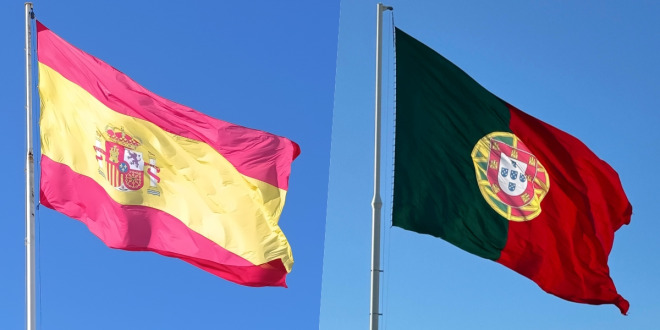
Spain and Portugal are solidifying their status as burgeoning hubs in the global gaming industry, attracting significant international players such as Scopely, Miniclip, Fortis Games, Rovio, and King. In 2024, Spain's gaming market generated €2.41 billion, reflecting a 3% increase compared to the previous year. Meanwhile, Portugal's gaming sector saw its turnover rise to nearly €100 million, showcasing substantial growth over recent years. This information is highlighted in a recent report on the Iberia region, published in collaboration with Xsolla.
The Iberian Peninsula presents a vast opportunity in the global gaming landscape, with Spain’s internal giants like Scopely making a mark through successful titles such as Monopoly Go. Leaders in the Spanish gaming sector are optimistic that homegrown talent will soon gain international recognition. Portugal, although smaller, has historically faced challenges in retaining talent due to competitive salaries abroad. However, the trade body APVP reports that many professionals are returning, which could propel the industry to new heights.
Data from the Spanish video games trade body AEVI indicates that around 22.1 million people engage in gaming in Spain, with women comprising 50.45% of this demographic. Mobile gaming leads as the preferred platform, utilized by 38% of players, while consoles and PCs follow at 37% and 24%, respectively. In Portugal, annual turnover for gaming companies has surged from €5.4 million in 2018 to almost €100 million in 2024, signaling robust sector expansion.
Spain boasts a diverse talent pool across various regions. Madrid is recognized for its triple-A console and PC developments, while Barcelona excels in mobile and free-to-play games. Sevilla has emerged as a creative indie hub, and cities like Bilbao are enhancing the industry's ecosystem. Alexandre Besenval, co-founder of Side Quest Games, emphasizes that Barcelona has long been known for its expertise in live operations and scaling.
Jorge Valentín González Coya, head of operations at Rovio's Barcelona studio, notes the significant density of gaming talent and the variety of major companies present in Spain. He points to the potential for local developers to leverage their skills to create original hit games, moving beyond the current focus on scaling. Despite recent successes, Coya highlights the increasing difficulty in hiring due to intense competition for top talent in the Iberian Peninsula.
The decentralized nature of Spain's gaming industry poses challenges, as regions operate as autonomous communities with differing tax and support systems. Besenval suggests that harmonizing these systems could strengthen Spain's overall support for studios, which currently face navigation difficulties due to varying regional policies. Néstor Pequeño, director of operations for Scopely in Spain, argues that this diversity can foster resilience and offer professionals appealing lifestyles, benefiting international recruitment.
Regarding the next generation of talent, Spain's educational sector in game development is robust but must adapt to the rapidly changing industry landscape. Pequeño stresses the importance of aligning academic programs with the evolving needs of studios to maintain competitiveness. Coya echoes this sentiment, advocating for improved national tax incentives to keep Spain appealing for developers.
While Spain's gaming industry has made a mark globally, it has yet to achieve a landmark success such as the establishment of a local unicorn company. Besenval believes that reaching this milestone would enhance talent attraction and investment in the sector. Pequeño envisions a future where studios effectively utilize local developers' dual expertise in mobile and traditional platforms, leading to innovative titles that resonate across devices.
Why it matters
Looking ahead, Coya anticipates a thriving ecosystem in five years, featuring established industry giants alongside maturing domestic startups that create original content for a global audience. He hopes the 'Iberian model' will set a new standard for the evolution of the gaming industry, combining professional excellence with an exceptional quality of life.
Original source
PocketGamer.biz